Marble is a timeless choice for homes and businesses. However, it faces a common issue: etching. Understanding what causes marble to etch and how to fix it is essential for maintaining its beauty. According to the Marble Institute, nearly 70% of homeowners experience etching on their marble surfaces. This occurs when acidic substances like citrus juices, vinegar, or even some cleaning products come into contact with the stone.
Etching creates dull spots that detract from the marble’s natural shine. It is crucial to use pH-balanced cleaners and avoid spills of acidic substances. On the other hand, addressing etching requires specialized techniques. Professional restoration services can help restore the affected areas, ensuring a flawless appearance. Within the industry, the average cost of marble restoration varies. Reports show it can range from $2 to $10 per square foot, depending on the severity of the etching.
In 2026, the solutions for marble care continue to evolve. Homeowners should keep a close watch on their surfaces. The right knowledge can enhance the longevity of marble while preserving its elegance. Understanding what causes marble to etch and how to fix it is the first step in remarkable marble maintenance.
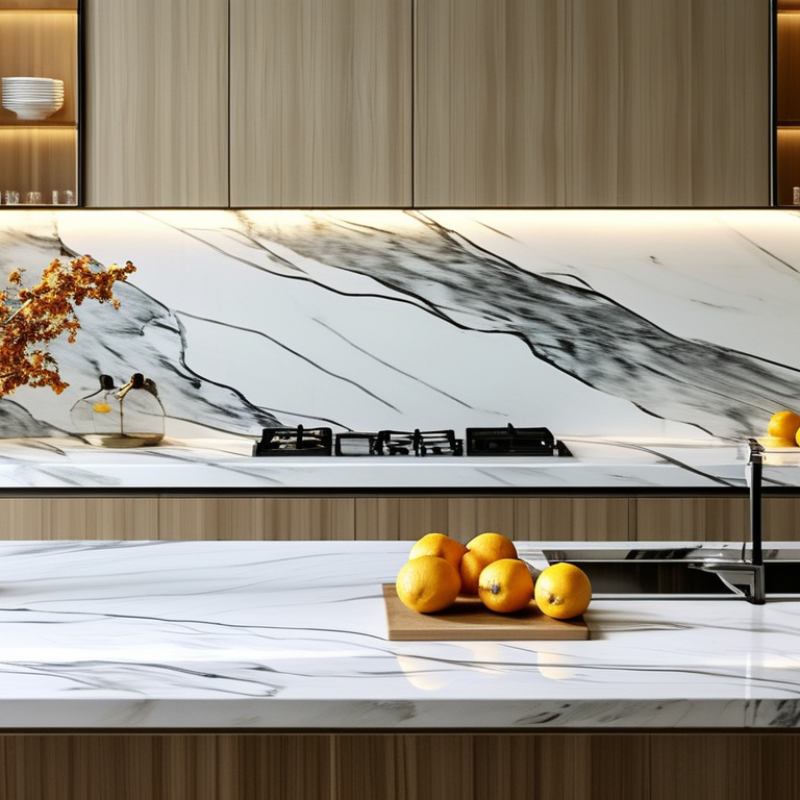
What is Marble Etching and How Does It Occur?
Marble etching is a common issue that arises when acidic substances interact with the calcite in marble. This reaction produces dull, cloudy spots on the surface, diminishing its polished appearance. Studies show that acidic cleaners, fruit juices, and even some household cleaning products can contribute to etching. According to a report by the Marble Institute of America, up to 80% of marble surface damage is due to misuse of cleaning agents.
To combat etching, it is essential to understand proper care techniques. Regularly sealing marble can prevent damage from acidic spills. Additionally, using pH-neutral cleaners will help maintain the stone’s integrity. When spills occur, immediate cleaning with a damp cloth will minimize the risk of etching.
Tips: Always test cleaners on a small, inconspicuous area before applying them widely. If etching occurs, consider professional restoration. This durable surface may need polishing to regain its shine, as DIY methods can sometimes leave visible discrepancies. Regular maintenance checks can ensure your marble stays beautiful for years.
Causes of Marble Etching in 2026
This chart shows the different causes of marble etching and their relative impact based on surveys conducted in 2026. The data encompasses various factors contributing to marble surface damage.
Common Causes of Marble Etching in Residential and Commercial Spaces
Marble etching is a common issue in both residential and commercial spaces. It occurs when acidic substances, like lemon juice or vinegar, come into contact with the marble surface. This reaction results in white, dull spots that detract from the stone’s natural beauty. Homeowners often overlook how everyday items can cause significant damage. Understanding these causes can help prevent etching from occurring.
In kitchens, spills from cooking ingredients are a frequent culprit. In bathrooms, products such as toothpaste and cleaners can contribute to etching. Once an etch appears, it can affect the overall look of the marble. Affected areas may feel rough to the touch. Regular maintenance is essential to minimize this problem.
Tips: Always use coasters for drinks and avoid placing acidic items directly on marble surfaces. Clean spills immediately to prevent damage. When polishing or restoring etched surfaces, consider hiring a professional for best results. Being aware of potential causes can save marble surfaces from unnecessary wear over time.
Identifying the Symptoms of Marble Etching on Surfaces
Marble etching is a common issue that affects many marble surfaces. It occurs when acids, like lemon juice or vinegar, come into contact with the stone. Over time, these substances can damage the surface, leading to dull spots or cloudy areas. You might notice these signs on kitchen countertops or bathroom vanities. Such etching can detract from the natural beauty of the marble.
Identifying the symptoms is crucial. Look for areas where the sheen is lost or where you find uneven surfaces. Often, these spots feel rough to the touch. They may appear lighter or darker than the surrounding marble. Cleaning products can exacerbate the problem if they contain harsh chemicals. Regular maintenance can help prevent serious etching.
Fixing etching involves a few steps. You might start with a marble polishing powder applied with a soft cloth. For deeper etch marks, professional refinishing may be necessary. Even with the right methods, results may vary. Sometimes, a less-than-perfect finish remains. Learning to care for marble can help you maintain its elegance over time.
Step-by-Step Guide to Repairing and Preventing Marble Etching
Marble etching is a common issue that arises from acidic substances. When marble surfaces come into contact with items like lemon juice, vinegar, or even some cleaning agents, it can lead to dull spots and discoloration. A report from the Marble Institute of America indicates that nearly 80% of marble damage is due to etching. This highlights the importance of understanding both prevention and repair.
To repair etching, start with a polishing powder specifically designed for marble. Application is vital; gently buff the area with a microfiber cloth in a circular motion. Focus on the etched spots until they blend with the surrounding surface. If the damage is severe, a professional may need to be consulted to restore the marble's original luster. Simple homework can save you money here. Researching and choosing the right products is crucial.
Preventing etching begins with everyday choices. Use coasters and placemats to shield marble counters. Regular damp mopping can also help maintain the finish. Consumers often underestimate the effect of common household items. By being mindful of their use, you can save time and avoid costly repairs. Remember, even though challenges arise, proactive measures can lead to better outcomes.
What Causes Marble Etching and How to Fix It in 2026 - Step-by-Step Guide to Repairing and Preventing Marble Etching
| Causes of Marble Etching |
Description |
Repair Method |
Prevention Tips |
| Acidic Substances |
Vinegar, lemon juice, and other acidic cleaners can damage marble. |
Use a marble polishing compound and buff the surface. |
Clean spills immediately and use coasters. |
| Hard Water Stains |
Mineral deposits from hard water can leave marks on marble. |
Use a soft cloth with a mixture of equal parts vinegar and water. |
Wipe up moisture and use a water softener. |
| Physical Scratches |
Scratches can occur from moving objects or excessive use. |
Sand lightly with fine-grit sandpaper, then polish. |
Use felt pads under objects and avoid dragging items. |
| Improper Cleaning |
Using harsh chemicals can lead to etching. |
Clean with pH-neutral cleaners designed for stone. |
Choose gentle cleaning products and test new cleaners. |
Best Practices for Maintaining Marble Surfaces to Avoid Etching
Marble surfaces add elegance to any space, but they require diligent care to avoid etching. Etching occurs when acidic substances come into contact with marble. Common culprits include lemon juice, vinegar, and even some cleaning products. To prevent etching, immediate clean-up is essential. This small step can save a lot of time and effort in the long run.
Regular maintenance is key. Use a pH-balanced cleaner designed for marble. Avoid abrasive sponges that can scratch the surface. A soft cloth works wonders for daily cleaning. Resealing marble surfaces every six months can also help maintain their shine. However, not everyone remembers this step. Life gets busy, and marble care often slips people's minds.
Consider incorporating a few protective measures. Coasters should always be used for drinks, especially those with acid. Placemats can protect surfaces from hot dishes. While it might seem inconvenient, these small adjustments make a significant difference. Sometimes, we forget how easy it is to prevent damage. Taking these steps can prolong the life of your marble surfaces. When cared for properly, they retain their beauty and elegance for years.
FAQS
: Marble etching occurs due to acidic substances like lemon juice and vinegar. These materials create dull spots on marble surfaces.
Use a polishing powder tailored for marble. Buff the area with a microfiber cloth in circular motions until it matches the surrounding surface.
If the etching is severe and noticeable, it’s best to consult a professional for proper restoration.
Items like lemon juice, vinegar, and certain cleaning products can cause etching on marble surfaces if not cleaned promptly.
Regularly use coasters and placemats. Immediate cleanup after spills is crucial to avoid lasting damage.
Utilize a pH-balanced cleaner specifically meant for marble. Avoid abrasive sponges that may scratch the surface.
It's advisable to reseal marble every six months to maintain its shine and protect it against etching.
Life can get hectic, making regular maintenance tasks easy to overlook. However, consistent care can prevent significant damage.
Regularly damp mop with a soft cloth. This prevents dirt buildup and helps maintain the marble’s finish.
Yes, using coasters and placemats may seem inconvenient, but they make a significant difference in prolonging marble's life.
Conclusion
Marble etching is a common issue that affects both residential and commercial spaces, often caused by acidic substances that react with the calcium carbonate in marble. Understanding what causes marble to etch and how to fix it is essential for maintaining the beauty and integrity of marble surfaces. Identifying the symptoms, such as dull spots or discoloration, is a crucial first step in addressing the problem.
To repair and prevent marble etching, a systematic approach can be implemented. This includes cleaning the surface properly, using appropriate polishing techniques, and applying protective sealants. Additionally, adopting best practices for maintenance—such as using pH-neutral cleaners and avoiding acidic spills—can help prevent future etching. By following these guidelines, homeowners and businesses can preserve their marble surfaces and keep them looking pristine.

 Gem Marble