How to Easily Seal Marble Countertops at Home?

Time:2026-08-17 Author:Amelia
0%

Marble countertops can elevate any kitchen, but they require proper care. Sealing is an essential step in maintaining their beauty and durability. Many homeowners may wonder how to seal marble countertops at home effectively. The process may seem daunting, but with the right materials and steps, it can be manageable.

Sealing your marble countertops helps protect them from stains, scratches, and damage. This is crucial given the porous nature of marble. Many people neglect sealing due to confusion or a lack of confidence. However, by following straightforward instructions, anyone can achieve a professional finish.

Investing a little time in sealing can save money on repairs later. A well-sealed countertop not only looks stunning but also lasts longer. The right sealant will enhance the marble's natural beauty, giving it a polished look. But remember, sealing isn't a one-and-done task. Regular maintenance will ensure your countertops remain in top condition.
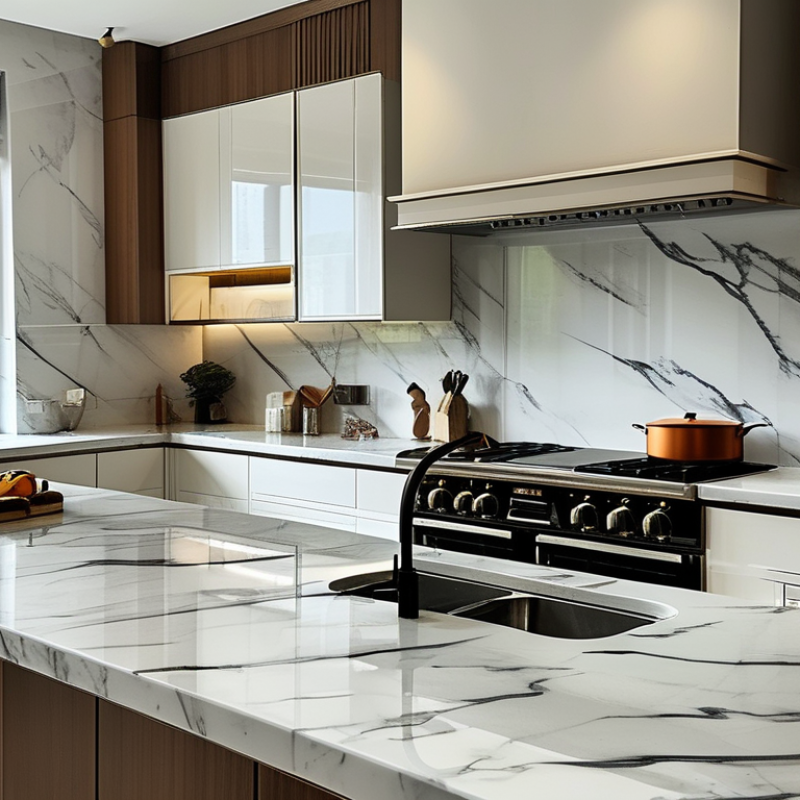
How to Easily Seal Marble Countertops at Home?

Understanding the Importance of Sealing Marble Countertops

Sealing marble countertops is essential for maintaining their beauty and durability. Marble is a porous stone, meaning it can absorb liquids and stains easily. Without a proper seal, coffee spills or red wine can quickly turn into permanent marks. The right sealant creates a protective barrier. This barrier helps prevent damage from everyday use.

Regularly sealing your marble countertops is crucial. Many homeowners underestimate this need. You may not notice small stains immediately. Over time, those stains can deepen and become much harder to remove. The right sealant can make cleaning easier and extend the life of the surface. However, finding the right sealing method can be confusing. Every marble surface is unique, and not all sealants work the same way.

Many people might skip sealing simply because they don’t see immediate effects. But that's a mistake. Damage can build up unnoticed. Periodically checking for water repellency can help you determine when it's time to reseal. Lightly sprinkle water on your countertop. If it beads up, your seal is working. If it soaks in, it’s time to apply a new layer. Regular maintenance can save time and money in the long run.

Marble Countertop Maintenance: Importance of Sealing

Choosing the Right Sealer for Your Marble Countertops

Choosing the right sealer for your marble countertops is crucial. Marble is porous, making it susceptible to stains and damage. Research indicates that up to 80% of homeowners experience issues with unsealed marble. Selecting a high-quality sealer can improve longevity and aesthetics.

When choosing a sealer, consider both penetrating and topical options. Penetrating sealers absorb into the stone, creating a barrier without altering its appearance. Topical sealers provide a glossy finish but may require more frequent applications. The Marble Institute of America suggests using penetrating sealers for best results in residential settings.

It's essential to assess your usage patterns. If your countertops are frequently exposed to spills or acidic substances, a more robust sealer may be necessary. You might need to experiment to find the best match for your lifestyle. Periodically reapplying sealant is necessary, but many homeowners overlook this important step. Staying informed about maintenance will keep your marble looking pristine.

Preparing Your Marble Surface for Sealing

Preparing your marble surface for sealing is crucial for achieving a long-lasting finish. Start by cleaning the countertop thoroughly. Use a gentle, pH-balanced cleaner designed for stone surfaces. This removes any dust, grease, or stains that could affect the sealing process. Make sure to rinse the surface well with clean water to eliminate any residue from the cleaner.

Tips: Test your cleaner on a small, inconspicuous area first to ensure it won't damage the marble. A soft microfiber cloth works best for drying the surface.

After cleaning, inspect the marble for cracks or chips. If you notice any, consider filling them with a stone filler. This prevents moisture from penetrating and compromising the seal. Allow the filler to dry completely, according to the manufacturer's instructions.

Tips: Always check the instructions for drying times. This step can be easy to overlook but is essential for a smooth finish. Be patient and avoid rushing.

How to Easily Seal Marble Countertops at Home? - Preparing Your Marble Surface for Sealing

Step Description Time Required Tools Needed
1 Clean the marble surface with a pH-balanced cleaner to remove dirt and grime. 20 minutes pH-balanced cleaner, soft cloth
2 Allow the marble to dry completely before applying any sealant. 1 hour N/A
3 Apply the marble sealer evenly across the surface using a clean applicator pad. 30 minutes Marble sealer, applicator pad
4 Wait for the recommended time (as per the sealant instructions) for the sealer to penetrate. 15-30 minutes N/A
5 Buff away any excess sealer to ensure a smooth finish. 15 minutes Soft cloth

Step-by-Step Guide to Applying the Sealer

Sealing marble countertops is essential for protection. This guide will help you apply the sealer effectively at home.

Start by cleaning your countertops with a gentle pH-neutral cleaner. Make sure all debris and stains are removed. A clean surface ensures better sealer adhesion. After cleaning, dry the countertop completely.

When applying the sealer, use a soft cloth or a foam applicator. Work in small sections and apply the sealer evenly. Avoid over-saturating the cloth, as this can lead to uneven application. Let the sealer sit for about 5-10 minutes before wiping away any excess with a clean cloth.

**Tips:** Test the sealer on a small, hidden area first. This will help you see how the marble reacts. If you notice any dull spots or areas that aren't absorbing as well, reconsider the application technique. Be mindful of the environment as well; sealing marble on a humid day can affect the sealer's performance.

After sealing, allow the countertop to cure for at least 24 hours. Avoid heavy use during this time. Seek help if you're unsure about the sealing process. It’s okay to make mistakes; learning from them is important.

Maintaining Your Sealed Marble Countertops for Longevity

Maintaining sealed marble countertops requires careful and consistent effort. Regular cleaning is essential for preserving their beauty. Use a pH-neutral cleaner to avoid damaging the sealant. Avoid acidic substances that can degrade the finish over time. A study by the Marble Institute of America found that improper care can decrease the lifespan of the seal by up to 50%. This is significant for homeowners who want lasting elegance.

Additionally, re-sealing is vital. Experts recommend re-sealing every six months to a year, depending on usage. Heavy-traffic areas may need more frequent attention. A common mistake is ignoring early signs of wear. If water doesn't bead on the surface, it's time to reseal. The Marble Institute reports that neglecting these signs can lead to permanent staining, complicating recovery efforts.

Regular maintenance also includes avoiding heavy impacts on the surface. Marble is softer than granite and can chip or crack. Protective mats can help minimize damage. Remember, even a well-sealed countertop needs care. While sealing greatly enhances durability, it is not a cure-all. Observing and addressing small issues early can prevent larger repairs down the road.

FAQS

: Why is sealing marble countertops important?

: Sealing marble countertops protects against stains and damage. It creates a barrier against spills like coffee or wine.

How often should I seal my marble countertops?

Regular sealing is crucial. Many homeowners underestimate its importance. Checking every few months is a good idea.

How do I know when to reseal my marble countertop?

Conduct a simple water test. If water beads up, the seal works. If it absorbs, it needs resealing.

What type of sealer should I choose for my marble?

Both penetrating and topical sealers exist. Penetrating sealers are often better for long-term use.

How can I prepare my marble surface for sealing?

Clean the surface thoroughly with a gentle cleaner. Rinse well to remove any residue before sealing.

What if I find cracks in my marble before sealing?

Fill any cracks with a stone filler. This step is essential to prevent moisture from affecting the seal.

Can I use any cleaner on my marble surfaces?

No, use a pH-balanced cleaner designed for stone. Test it on a small area first to avoid damage.

Is it common for people to neglect sealing their marble?

Yes, many overlook it until they notice stains. Regular maintenance can save time and money later.

How can improper sealing affect my marble?

Failure to seal may lead to deep stains. These can become difficult or impossible to remove over time.

What should I do if I am unsure about sealing?

Research your options and consider your usage patterns. It might take some trial and error to find the best sealant.

Conclusion

Sealing marble countertops is essential for protecting their delicate surface and maintaining their beauty. In the article "How to Easily Seal Marble Countertops at Home," readers learn the importance of sealing, as it prevents staining and etching. The process begins with selecting the right sealer specifically designed for marble, ensuring optimal protection. Properly preparing the countertop surface is crucial, as it allows the sealer to adhere effectively.

The article provides a detailed step-by-step guide on how to seal marble countertops at home, making it accessible for DIY enthusiasts. After sealing, maintaining the countertops is vital for longevity, as regular care can help preserve the marble’s aesthetic appeal and functionality. Overall, this guide empowers homeowners with the knowledge to effectively seal and care for their marble surfaces.

Amelia

Amelia

Amelia is a seasoned marketing professional with a wealth of expertise in our company’s core offerings. With an unwavering passion for driving growth and innovation, she plays a pivotal role in shaping our marketing strategies and enhancing brand visibility. A key aspect of her responsibilities......